Unlocking Business Success in the Health & Medical Sector: A Comprehensive Guide for Chiropractors and Medical Educators
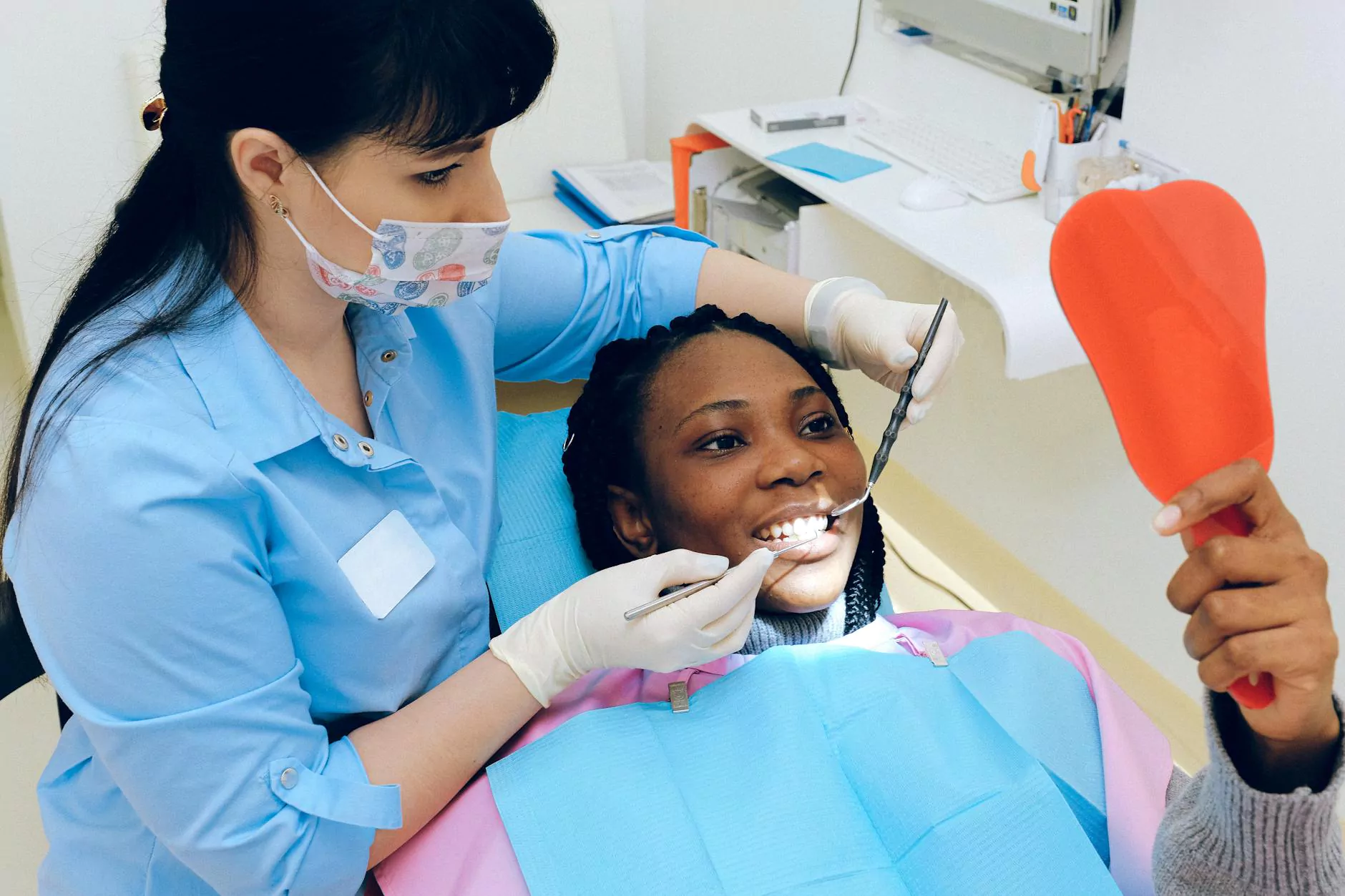
The health and medical industry continues to be one of the most dynamic and rapidly evolving sectors in the global economy. With increasing awareness about health, wellness, and innovative treatment modalities, there is a burgeoning opportunity for entrepreneurs, healthcare providers, and educators to establish thriving businesses. Among these, chiropractic practices and specialized medical education centers are at the forefront of providing high-value services to patients while fostering sustainable growth.
Understanding the Power of the Health & Medical Business Landscape
The healthcare industry is not only fundamental to societal well-being but also offers significant economic opportunities. Factors such as aging populations, technological advancements, and a global shift toward preventive care have created a fertile ground for business expansion and innovation. Specifically, in the field of chiropractic care, there is a rising demand for specialized treatments addressing musculoskeletal disorders, leading to increased interest in education and business development within this niche.
Chiropractors: Pioneers in Holistic Health Business Models
As healthcare providers specializing in non-invasive, drug-free treatment options, chiropractors are uniquely positioned to capitalize on the wellness movement. By integrating innovative business strategies, chiropractors can expand their reach, attract new patient demographics, and increase revenue streams. This includes offering specialized treatments for conditions such as flexor carpi radialis tendinitis, a common overuse injury among individuals engaged in repetitive wrist and forearm activities.
The Significance of Specialized Education for Business Growth
One of the critical drivers of success in the medical business arena is continuous education. For chiropractors and medical professionals, staying abreast of the latest research, treatment techniques, and business practices is essential for maintaining a competitive edge. Advanced training in specific conditions like flexor carpi radialis tendinitis equips practitioners with the knowledge to deliver targeted treatments and elevate their reputation.
Deep Dive: Flexor Carpi Radialis Tendinitis — A Growing Concern
Understanding this condition is crucial for chiropractors and health educators alike. Flexor carpi radialis tendinitis involves inflammation of the tendon that controls wrist flexion and radial deviation. It most commonly results from repetitive motions or overuse, affecting athletes, office workers, and manual laborers.
Symptoms and Diagnosis
- Wrist pain that worsens with movement
- Sensitivity on the anterior aspect of the wrist
- Swelling and tenderness along the radial side of the wrist
- Weakness in grip and wrist movements
Accurate diagnosis typically involves physical examination, assessment of movement patterns, and imaging techniques like ultrasound or MRI to confirm inflammation and rule out other injuries.
Effective Treatment Strategies
- Rest and activity modification to reduce strain
- Application of ice to reduce swelling
- NSAIDs for pain management
- Targeted physical therapy focusing on stretching, strengthening, and manual therapy techniques
- Use of wrist braces or splints for immobilization during acute phases
- Injection therapies or minimally invasive procedures in severe cases
Chiropractors specialized in musculoskeletal disorders play a pivotal role in delivering these treatments, emphasizing conservative and non-invasive approaches. Educating patients about proper ergonomics and activity modifications is equally vital to prevent recurrences.
Building a Thriving Business Around Musculoskeletal Conditions
For healthcare entrepreneurs, creating a successful practice involves more than offering exceptional clinical care. It requires strategic planning, branding, patient engagement, and leveraging technology. Here are key elements that drive business growth in the context of managing conditions like flexor carpi radialis tendinitis:
1. Specialized Service Offerings
Develop a comprehensive treatment program tailored to specific patient populations. For example, offering preventive care for athletes, ergonomic consultations for office workers, and rehabilitation programs for post-injury recovery can differentiate your practice.
2. Continuous Education and Staff Training
Invest in ongoing education for your team. Certified courses on shoulder and wrist injuries enhance the credibility of your practice, ensuring you stay current with the latest techniques and research.
3. Investing in Advanced Technology
Utilize cutting-edge equipment like ultrasound therapy devices, electronic stimulation, and digital assessment tools. These not only improve treatment outcomes but also appeal to tech-savvy patients seeking modern healthcare solutions.
4. Digital Presence and Patient Engagement
Build a robust online presence through an optimized website, social media platforms, and patient portals. Content marketing focusing on educating the public about conditions like flexor carpi radialis tendinitis increases awareness and attracts new clients.
5. Strategic Partnerships and Community Involvement
Collaborate with sports teams, rehabilitation centers, and local businesses to expand your reach. Hosting workshops, seminars, and health fairs positions your practice as a community health leader.
Educational Excellence in Chiropractic and Medical Training
Beyond clinical practice, establishing reputable education programs enhances your brand visibility and authority in the field. High-quality courses on musculoskeletal health, injury prevention, and specific conditions support practitioners' professional development and grow your business ecosystem.
Why Invest in Niche Education?
- Builds authority and trust within the community
- Attracts motivated learners and practitioners to your programs
- Creates additional revenue streams through courses, workshops, and certifications
- Fosters a network of professionals promoting your brand
The Future of Business in Health & Medical: Innovation and Sustainability
As the healthcare landscape continues to evolve, embracing innovation is paramount. Telehealth services, wearable health technologies, data analytics, and personalized medicine are transforming how practices operate and deliver care. Integrating these advancements into your business model enhances patient outcomes and ensures long-term growth.
Key Trends to Watch
- Telemedicine: Remote consultations for initial assessments and follow-up care
- Artificial Intelligence: Diagnostic support tools and data-driven treatment plans
- Patient-centric Approaches: Customized treatment plans and engaging educational content
- Sustainable Business Practices: Eco-friendly clinics, digital documentation, and resource optimization
Conclusion: Seizing Opportunities and Driving Success in Health & Medical Business
The intersection of innovative treatment, dedicated education, and strategic business development is the cornerstone of thriving enterprises in the health & medical sector. Whether you are a chiropractor seeking to expand your practice or an educator aiming to shape future healthcare professionals, understanding conditions like flexor carpi radialis tendinitis and the latest management techniques positions you for unparalleled success.
By investing in continuous learning, embracing technological advancements, and fostering community relationships, health professionals can build reputable, profitable, and impactful businesses that significantly improve patients' quality of life. Embark on this journey with a focus on excellence, innovation, and sustainability — and watch your business grow beyond expectations.
For more resources and expert guidance on building a robust medical and chiropractic enterprise, visit iaom-us.com. Together, we can shape the future of healthcare.