Wood Pellets for Stove: The Future of Heating
Introduction to Wood Pellets
In recent years, the demand for wood pellets for stoves has surged as homeowners and businesses look for sustainable and efficient heating solutions. Wood pellets are manufactured from compressed sawdust and other manufacturing byproducts, making them an environmentally friendly choice. They are not only effective in generating heat but also contribute to reducing carbon footprints.
What Are Wood Pellets?
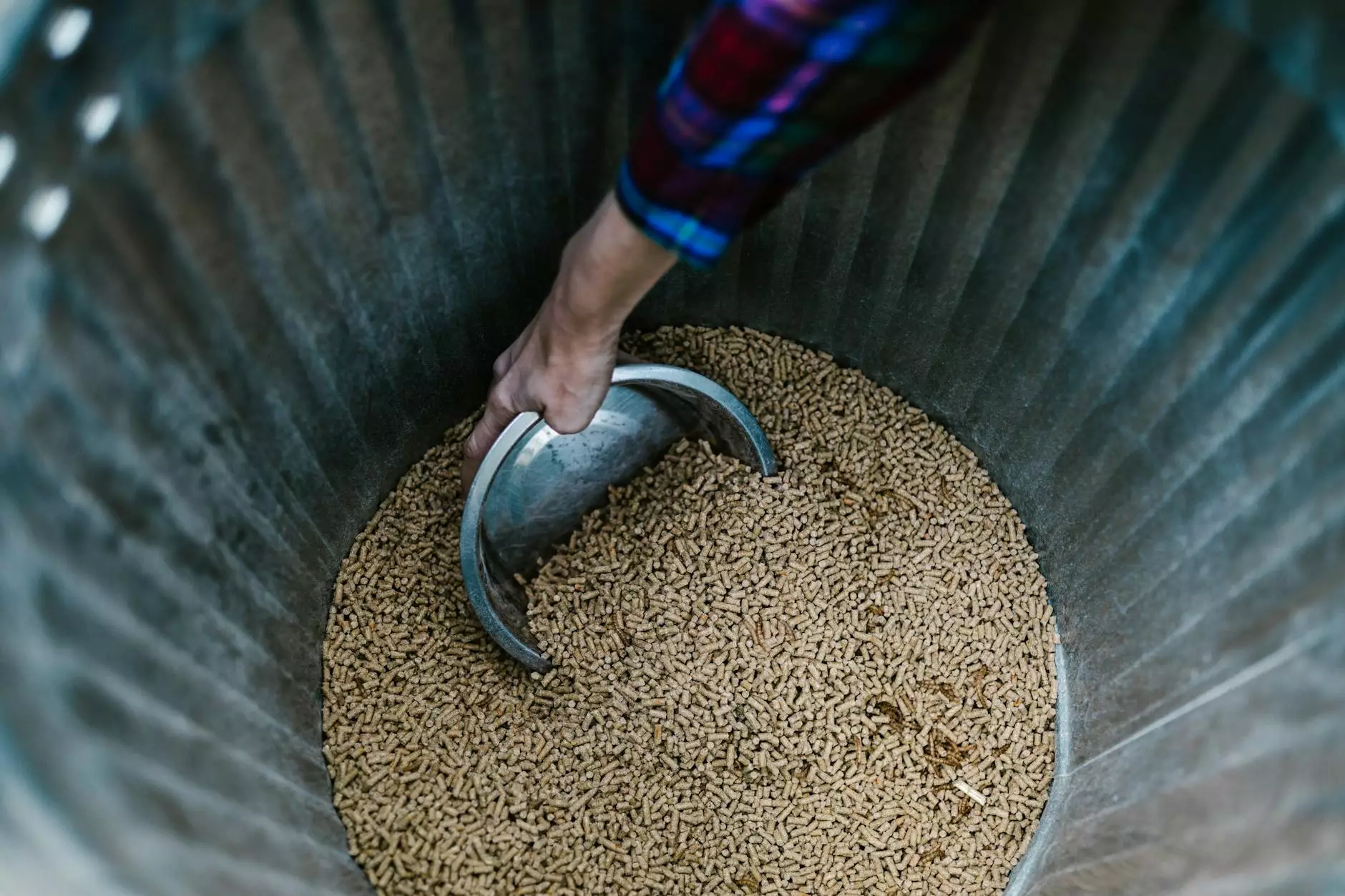
Wood pellets are small, cylindrical pellets made from wood waste, including sawdust, wood chips, and occasionally bark. The process of creating these pellets involves:
- Grinding: The raw wood material is ground into a fine powder.
- Drying: The ground material is then dried to reduce moisture content.
- Pelletizing: The dried material is compressed under high pressure, forming pellets.
- Cooling: The pellets are cooled to ensure durability and ease of handling.
This manufacturing process results in a product that is uniform in size and density, which contributes to its efficient burning characteristics.
The Benefits of Using Wood Pellets for Stoves
There are numerous advantages to choosing wood pellets for stoves. Here are some compelling reasons:
- Eco-Friendly Option: Wood pellets are a renewable energy source. When burned, they produce significantly lower emissions compared to fossil fuels, making them a cleaner choice for heating.
- Efficiency: Modern pellet stoves are designed to maximize heat output while minimizing waste. They often achieve a combustion efficiency of over 85%, ensuring higher heating output with less fuel.
- Convenience: Many pellet stoves come with automatic feed systems and programmable thermostats, allowing users to control heating schedules and enhance comfort.
- Cost-Effective: The price of wood pellets is generally stable. Compared to oil or gas prices, many users find that their heating bills decrease with the use of pellet stoves.
How to Choose the Right Wood Pellets
Choosing the right wood pellets is crucial for optimizing the performance of your stove. Here are some factors to consider:
- Quality Standards: Look for pellets that meet industry standards such as PFI (Pellet Fuels Institute) certification, which ensures quality and performance.
- Wood Type: The type of wood used in the pellets matters. Hardwoods like oak and maple generally provide more heat and less ash than softwoods like pine.
- Moisture Content: The ideal moisture content for wood pellets is below 8%. Higher moisture levels can reduce efficiency and increase creosote buildup in the stove.
Understanding the Different Types of Wood Pellets
The market offers a variety of wood pellets, each with unique characteristics. Here's a breakdown of the most common types:
- Premium Pellets: These pellets are made from clean, virgin wood with low ash content and high calorific value.
- Standard Pellets: Typically made from a mix of sawdust and wood shavings, these can sometimes include bark and have a slightly higher ash content.
- Blended Pellets: These combine different types of wood to achieve a balance of price and performance.
How to Store Wood Pellets Correctly
Storing wood pellets properly is essential to maintain their quality and longevity. Consider the following tips:
- Keep Them Dry: Store pellets in a dry, cool place away from moisture to prevent them from clumping and losing their burning efficiency.
- Use Containers: Store pellets in sealed bags or bins to protect them from the elements and pests.
- Elevate Storage: Position the pellets off the ground to avoid moisture absorption from the floor.
Cost Analysis: Wood Pellets vs. Traditional Fuels
When considering heating options, it’s vital to conduct a cost analysis comparing wood pellets for stoves with traditional heating fuels such as oil, gas, and electric. Here are key points to consider:
- Pellet Prices: As of 2023, wood pellets generally range from $250 to $350 per ton. Compare this against your local heating oil or gas prices for a fair assessment.
- Heating Efficiency: Modern pellet stoves can provide equivalent heating performance to oil or gas systems but at a reduced cost due to lower fuel prices and higher efficiency ratings.
Environmental Impact of Wood Pellets
When sourced sustainably, wood pellets for stoves present a greener alternative to conventional fossil fuels. Some environmental benefits include:
- Carbon Neutral: The combustion of wood pellets releases carbon dioxide, but this is offset by the CO2 absorbed by the trees during their growth cycle.
- Reduction of Landfill Waste: Using wood waste for pellet production helps reduce waste in landfills while providing an energy source.
- Support for Sustainable Forestry: Purchasing wood pellets from certified sources encourages practices that promote forest conservation and regeneration.
Choosing the Right Stove for Wood Pellets
Investing in a quality pellet stove is essential for experiencing the benefits of wood pellets fully. Consider the following when selecting a stove:
- Size and Output: Ensure the stove is appropriately sized for the space you intend to heat. Refer to BTU output ratings when making your decision.
- Fuel Loading Mechanisms: Look for stoves with manual or automatic feed mechanisms, as they affect convenience and ease of use.
- Efficiency Ratings: Check the EPA efficiency ratings to gauge the stove’s performance and environmental impact.
Conclusion: Embrace the Future with Wood Pellets
In summary, wood pellets for stoves offer an exceptionally efficient, environmentally friendly, and cost-effective heating solution. Whether you are a homeowner seeking to reduce energy costs or a business prioritizing sustainability, the use of wood pellets can significantly enhance your heating strategy. As a leading timber merchant and wood supplier, Stary Timbers is committed to providing high-quality wood pellets and exceptional service to meet all your heating needs. Explore the potential of wood pellets and make the switch to a greener future today!