Ultimate Guide to the Surgical Procedure for Hysterectomy: Insights from Top Obstetricians & Gynecologists
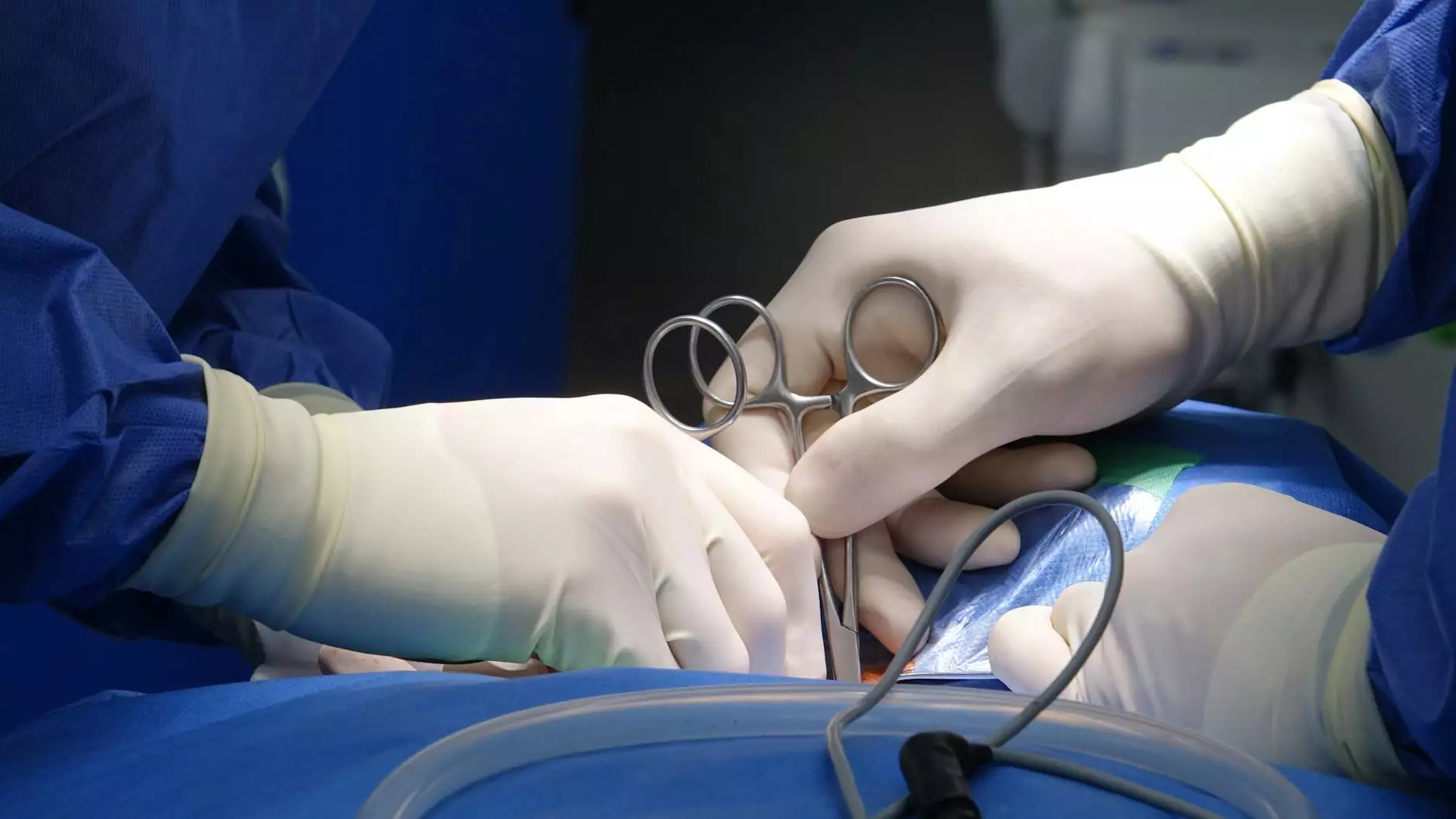
In the realm of women's health, the surgical procedure for hysterectomy stands as one of the most common and impactful surgeries performed by experienced obstetricians & gynecologists. Whether due to benign conditions, cancer, or other medical indications, understanding the intricacies of this procedure can empower women to make informed decisions about their health and well-being. This comprehensive guide offers an in-depth exploration of the surgical procedure for hysterectomy, covering everything from types and indications to recovery and advancements in surgical techniques.
Understanding the Surgical Procedure for Hysterectomy
A hysterectomy involves the removal of the uterus. It may also include the removal of surrounding tissues or organs such as the fallopian tubes, ovaries, or cervix depending on the patient's condition. The procedure is tailored to meet individual medical needs and can significantly improve quality of life when conservative treatments are insufficient.
Why Is a Hysterectomy Performed?
Hysterectomy can be indicated for numerous reasons, including but not limited to:
- Heavy or irregular menstrual bleeding unresponsive to medication
- Uterine fibroids causing pain or pressure
- Endometriosis severe enough to impair daily life
- Chronic pelvic pain not alleviated by other treatments
- Uterine prolapse
- Gynecologic cancers such as ovarian, cervical, or uterine cancer
- Persistent abnormal uterine bleeding due to benign or malignant causes
Types of Hysterectomy: Customized Approaches for Every Patient
Modern surgical options allow for minimally invasive approaches, reducing recovery time and surgical risks. The main types include:
1. Total Hysterectomy
Removal of the entire uterus and cervix. This is the most common form for benign conditions.
2. Partial (Subtotal or Supracervical) Hysterectomy
Removal of the upper part of the uterus, preserving the cervix. This option may be suitable in specific cases, often with faster recovery.
3. Radical Hysterectomy
Extensive removal involving the uterus, surrounding tissues, part of the vagina, and lymph nodes. Typically performed in cases of gynecologic cancer.
4. Minimally Invasive Techniques
- Laparoscopic Hysterectomy: Utilizes small abdominal incisions guided by a camera.
- Vaginal Hysterectomy: Performed through a vaginal approach without abdominal incisions.
- Robotic-Assisted Hysterectomy: Combines laparoscopic technique with robotic technology for enhanced precision.
Preparing for the Surgical Procedure for Hysterectomy
Preoperative preparation includes thorough evaluations such as imaging studies, blood tests, and discussions about medical history. Patients are advised to:
- Avoid eating and drinking as instructed prior to surgery
- Arrange for transportation post-procedure due to anesthesia
- Discuss any medications, allergies, or existing health conditions with the surgical team
Step-by-Step Process of the Surgical Procedure for Hysterectomy
The surgical procedure for hysterectomy varies depending on the chosen approach. Here is a typical overview of the most common techniques:
Laparoscopic Hysterectomy
- The patient is administered anesthesia—to be general or regional based on medical assessment.
- A few small incisions are made in the abdomen for inserting laparoscopic instruments and camera.
- The surgeon detaches the uterus from surrounding tissues, ligates blood vessels, and carefully removes the uterus.
- Optional removal of ovaries and fallopian tubes may be performed if indicated.
- The small incisions are closed with sutures or surgical glue.
Vaginal Hysterectomy
- The patient receives anesthesia.
- An incision is made inside the vagina to access the uterus.
- The uterus is dissected from attachments, blood vessels are ligated, and the uterus is gently removed through the vaginal canal.
- The area is checked for bleeding, and the surgical site is closed internally.
Robotic-Assisted Hysterectomy
- Follows similar steps as laparoscopic hysterectomy but enhances precision with robotic arms controlled by the surgeon.
- Allows for better visualization and intricate maneuvers, especially in complex cases.
Risks and Complications of the Surgical Procedure for Hysterectomy
While hysterectomy is generally safe, potential risks include:
- Bleeding and blood clots
- Infection at the incision sites or internally
- Damage to surrounding organs such as the bladder or intestines
- Early or delayed menopausal symptoms if ovaries are removed
- Vaginal vault prolapse in some cases
It is crucial to discuss these risks with your healthcare provider and ensure that the procedure is performed by an experienced specialist in obstetrics & gynecology.
Recovery and Postoperative Care After Hysterectomy
The recovery period varies depending on the type of hysterectomy performed, but generally includes:
- Resting adequately and avoiding strenuous activities for at least 2-6 weeks
- Managing pain with prescribed medications
- Monitoring for signs of infection or bleeding
- Gradually resuming normal activities as advised by your surgeon
- Attending scheduled follow-up appointments to ensure healing progress
Patients are encouraged to maintain a healthy diet, stay hydrated, and perform gentle mobility exercises to promote circulation and reduce risks of blood clots.
Advancements in Surgical Techniques: Making Hysterectomy Safer and Less Invasive
Over recent years, technological innovations have revolutionized hysterectomy procedures. Notable advancements include:
- Robotic Surgery: Offers enhanced 3D visualization, greater dexterity, and precision, leading to fewer complications.
- Single-Incision Laparoscopy: Minimizes scarring by performing the procedure through a single small incision.
- Enhanced Recovery After Surgery (ERAS) Protocols: Focus on optimizing pre-and post-operative care to speed up recovery and improve outcomes.
Choosing the Right Specialist at drseckin.com
When considering a surgical procedure for hysterectomy, selecting an experienced, board-certified obstetrician & gynecologist is paramount. At Dr. Seckin's clinic, patients benefit from:
- personalized treatment plans tailored to individual needs
- cutting-edge minimally invasive surgical options
- comprehensive preoperative evaluations
- compassionate postoperative care and follow-up
- a commitment to safety, comfort, and optimal outcomes
Making an Informed Decision About Your Health
Choosing to undergo a surgical procedure for hysterectomy should be made after detailed consultation with a trusted healthcare professional. It’s essential to understand:
- The specific indication and benefits of the surgery in your case
- The different types of procedures available and their implications
- Potential risks and how they can be mitigated
- Expected recovery timelines and lifestyle adjustments
- Alternative medical therapies if appropriate
Conclusion: Empowerment through Knowledge and Expert Care
Women facing the prospect of a hysterectomy can find reassurance through understanding the complexities, benefits, and innovations in this surgical domain. With an informed perspective and the expertise of skilled obstetricians & gynecologists—like those at drseckin.com—patients are better equipped to navigate their healthcare journeys confidently and safely.
Contact and Consultation
If you are considering a surgical procedure for hysterectomy or wish to learn more about your options, schedule a consultation with our top-rated specialists at drseckin.com. Our team is dedicated to providing compassionate, personalized care to ensure the best possible outcomes for your health.