Comprehensive Guide to Parts of the Crankshaft in Diesel Engine Manufacturing & Maintenance
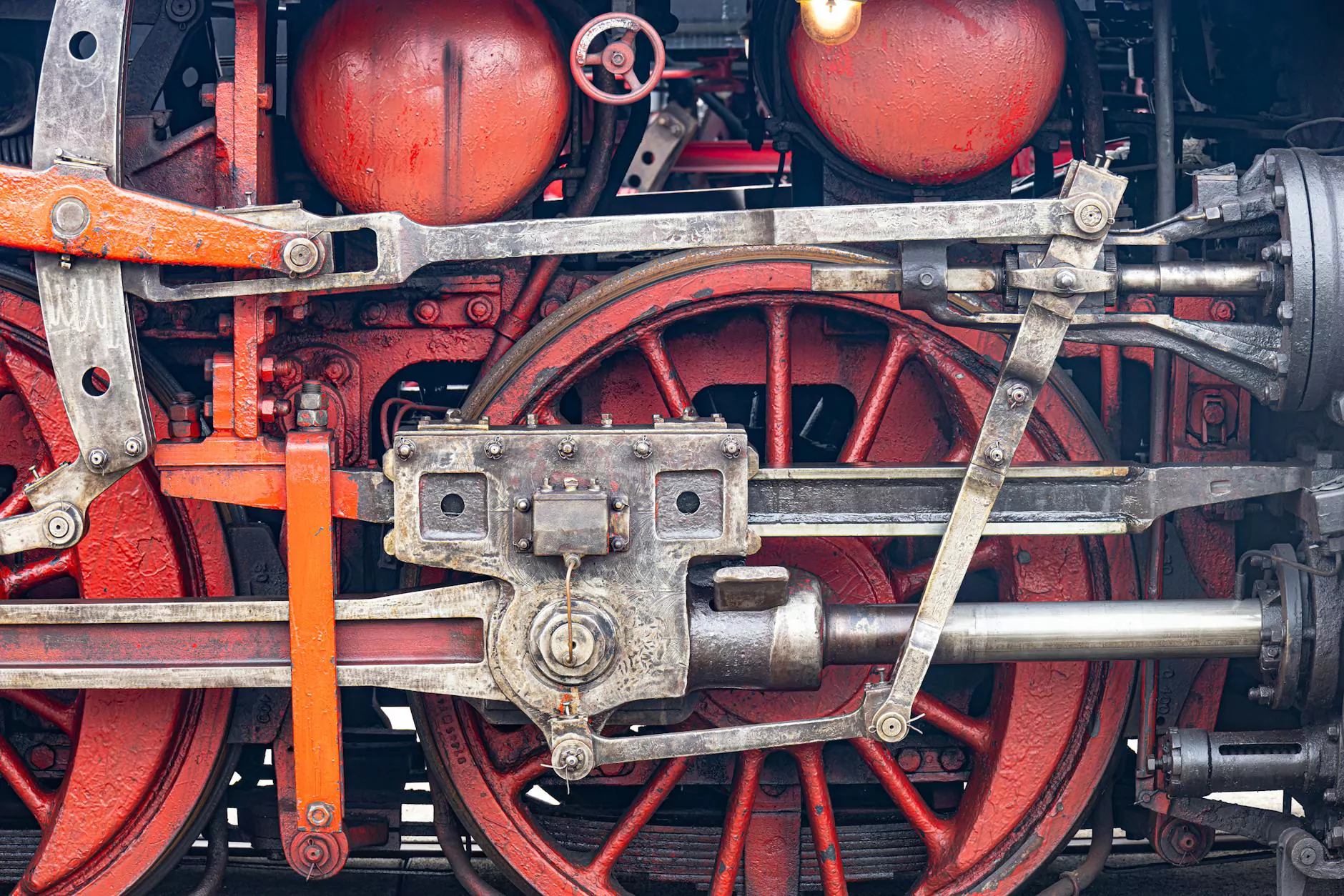
The crankshaft is a fundamental component within diesel engines, playing a critical role in converting the linear motion of piston strokes into rotational energy. Understanding the parts of the crankshaft is vital for ensuring engine efficiency, longevity, and effective maintenance. As a leading supplier and manufacturer of diesel engine parts, client-diesel.com offers high-quality crankshaft components to meet the demanding needs of OEMs, repair shops, and end-users worldwide.
Introduction to the Crankshaft and Its Significance in Diesel Engines
The crankshaft serves as the backbone of any combustion engine, especially in diesel technology where engine durability and power output are paramount. It transforms the up and down motion of pistons into rotary motion that powers the vehicle or machinery. Proper understanding of its parts of the crankshaft allows for precise diagnostics, effective repairs, and optimal engine design.
Major Components of the Parts of the Crankshaft
The parts of the crankshaft are meticulously engineered to withstand extreme mechanical stresses, high temperatures, and corrosive conditions typical of diesel engines. Key components include:
- Main Journals
- Crank Pins or Connecting Rod Journals
- Counterweights
- Crankshaft Flanges
- Fillets
- Throw
- Oil Passages
- Gear Teeth
- Balancing Weights
- Keyways
In-Depth Analysis of Critical Parts of the Crankshaft
Main Journals: The Foundation of the Crankshaft
The main journals are the cylindrical sections located at the base of the crankshaft, which sit within the engine block's main bearings. These components bear most of the load during engine operation, ensuring stability and smooth rotation. They are precision-machined for perfect fit and are often surface-hardened to resist wear.
Crank Pins or Connecting Rod Journals: Linking Pistons to Rotation
The crank pins, also known as connecting rod journals, are offset sections where the pistons are connected via connecting rods. They translate the pistons' linear movement into rotational motion. Proper alignment and lubrication of these parts are essential to prevent excessive wear and to maximize power transfer.
Counterweights: Balancing Engine Dynamics
Integrated into the crankshaft design, counterweights are mass elements that counteract the reciprocating motion of the pistons. They balance the shaft, reducing vibrations, noise, and mechanical stress. High-quality counterweights contribute significantly to the durability and smooth operation of diesel engines.
Crankshaft Flanges and Gear Teeth: Power Transmission
The flanges serve as mounting points for flywheels, harmonic balancers, or pulleys. Gear teeth on the crankshaft interface with timing gears or chains, critical for synchronization of engine components such as valves and injection systems. Accurate manufacturing ensures seamless power transmission and engine timing.
Fillets and Throws: Stress Concentration Management
Fillets are curved transitions between different sections of the crankshaft, designed to minimize stress concentration and prevent crack propagation during high-load conditions. The throw refers to the offset distance of the crankpin from the centerline, influencing engine stroke and overall performance.
Oil Passages and Lubrication Channels
Proper lubrication is vital to prevent wear and overheating of the crankshaft. Oil passages are built into the crankshaft to ensure a continuous supply of engine oil to journal surfaces, crankpins, and other critical areas. High-precision manufacturing of these channels ensures optimal lubrication and engine longevity.
Balancing Weights and Keyways
Balancing weights are added or machined into the crankshaft to ensure dynamic balance during rotation. Keyways are slots machined into the crankshaft to lock timing gears or other components securely, ensuring accurate engine timing and synchronization.
Quality and Material of the Parts of the Crankshaft
The durability of the parts of the crankshaft relies heavily on the quality of materials used. Typically, high-strength alloy steels such as 4140 or 4340 steel are employed, offering excellent toughness, wear resistance, and fatigue strength. Surface treatments like nitriding or induction-hardening further enhance durability, especially under the extreme stresses encountered in diesel engines.
Manufacturing Precision: The Key to Longevity
Advanced manufacturing techniques—such as CNC machining, laser cutting, and precision grinding—are applied to produce parts of the crankshaft with exact tolerances. Such precision not only improves performance but also reduces the risk of early failure, cracks, or deformation. Leading spare parts suppliers like client-diesel.com source only top-grade materials and adhere to strict quality standards.
Maintenance and Replacement of Cylinder Crankshaft Parts
Routine inspection, lubrication, and timely replacement of worn components are vital for optimal engine performance. Recognizing signs of fatigue, such as unusual vibrations or knocking sounds, can help prevent catastrophic failures. Replacing damaged parts—especially critical elements like crankpins or main journals—with high-quality replacements from trusted suppliers ensures engine reliability and extended service life.
How Client-Diesel.com Leads in Providing Premium Parts of the Crankshaft
As a premier spare parts supplier, client-diesel.com offers an extensive catalog of crankshaft components designed for maximum durability and performance. Their products are sourced from ISO-certified manufacturing plants with rigorous quality controls, ensuring that each part meets or exceeds OEM specifications.
Why Choose High-Quality Parts of the Crankshaft
- Enhanced Durability: Superior materials and manufacturing processes resist wear and fatigue.
- Optimized Performance: Precisely crafted components promote smooth operation and better engine efficiency.
- Extended Engine Life: Reducing mechanical stress and wear prolongs engine life.
- Reduced Downtime and Maintenance Costs: Reliable parts minimize repair frequency and costs.
Conclusion: Investing in Top-Grade Parts of the Crankshaft for Diesel Engines
Understanding the intricacies of the parts of the crankshaft is essential for anyone involved in diesel engine maintenance, repair, or manufacturing. High-quality components, sourced from trusted suppliers like client-diesel.com, ensure that engines operate reliably, efficiently, and with maximum performance. Whether you are a manufacturer, repair technician, or end-user, prioritizing the quality of crankshaft parts translates into better engine health, lower maintenance costs, and longer service life.
Investing in excellence today guarantees the durability and efficiency of diesel engines for years to come. For top-tier diesel engine parts and spare parts supplies, trust the expertise and extensive inventory of client-diesel.com.