Comprehensive Guide to Climbing Gear Carabiners: Essential Equipment for Outdoor Enthusiasts
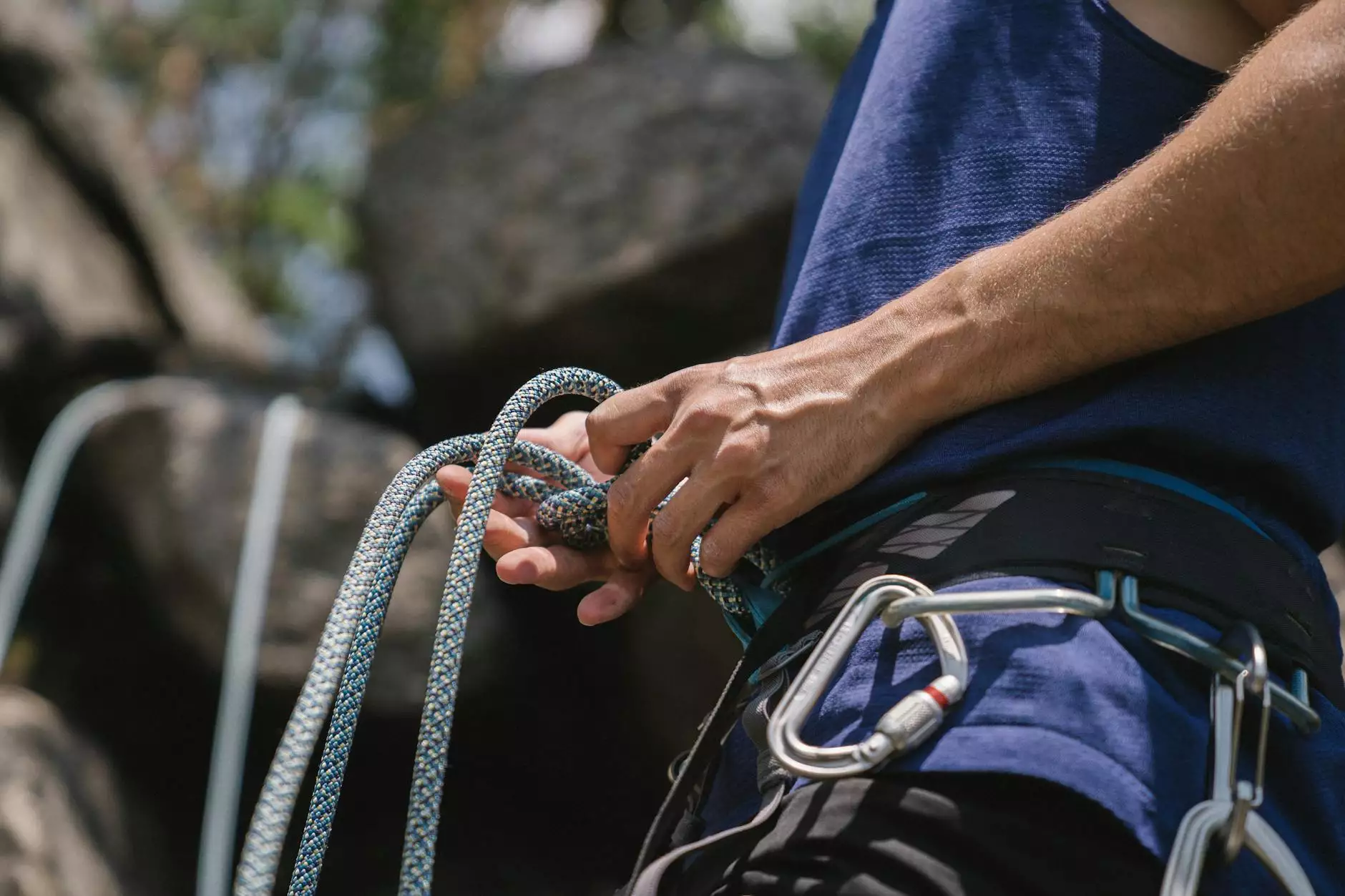
The world of outdoor adventure, particularly climbing, is deeply rooted in the reliability and safety of its equipment. Among the myriad tools used by climbers, climbing gear carabiners stand out as one of the most critical components. These versatile metal connectors are not just simple hooks but intricate devices designed to ensure safety, enhance efficiency, and facilitate a smooth climbing or rappelling experience. This comprehensive guide explores everything you need to know about climbing gear carabiners, including their types, features, safety standards, and how to choose the best one for your outdoor activities.
Understanding the Role of Climbing Gear Carabiners
In any climbing scenario, the climbing gear carabiner serves as the backbone of secure connections. It connects ropes, harnesses, anchors, and protective equipment, creating a reliable link in the climbing system. The main functions include:
- Connecting and Securing Equipment: Carabiners link various pieces of gear, ensuring everything remains attached and safe.
- Load Distribution: They help distribute dynamic loads during falls or sudden stress, crucial for climber safety.
- Attachment Point: Serves as an attachment point for harnesses, cams, nuts, and other climbing accessories.
- Ease of Use: They are designed for quick and secure clipping, allowing climbers to adjust and clip in swiftly.
The Anatomy of a Climbing Gear Carabiner
To understand why all climbing gear carabiners are not created equal, it's essential to familiarize yourself with their anatomy:
- Body: The main structure, typically oval or asymmetrical in shape, made from aluminum or steel.
- Gate: The spring-loaded mechanism that opens and closes the carabiner.
- Keylock System: A feature to prevent snagging during clipping or unclipping.
- Locking Mechanism: Additional security feature, such as screw, twist-lock, or auto-lock locks.
- Color Coding: Different colors help identify purposes or orientation quickly.
Types of Climbing Gear Carabiners: Which One is Right for You?
Climbing gear carabiners come in various shapes, sizes, and locking mechanisms tailored for specific uses. Understanding these differences is crucial for safety and performance.
1. Non-Locking Carabiners
These are the simplest and most commonly used carabiners. They do not have a locking mechanism and are suitable for quick draw applications, belaying, and basic connecting tasks. However, they are less secure for critical connections where accidental opening must be avoided.
2. Locking Carabiners
Designed with a locking mechanism that prevents accidental opening, these are essential for safety-critical uses. They are subdivided into:
- Screw Gate Carabiners: Require manual screw-down to lock and unlock.
- Twist Lock Carabiners: Use a twist mechanism for quick locking/unlocking.
- Auto-Lock Carabiners: Lock automatically when closed, offering maximum security.
3. Specialised Carabiners
- Wire Gate Carabiners: Lighter and less prone to freeze or ice build-up, suitable for alpine climbing.
- Heavy-Duty Steel Carabiners: Designed for industrial applications and rappelling; withstand higher loads.
- Angled or Asymmetrical Carabiners: Facilitate easier clipping and better weight distribution for specific tasks.
Key Factors When Choosing a Climbing Gear Carabiner
Selecting the right climbing gear carabiner involves careful consideration of multiple factors:
Strength and Durability
Always check the kN rating (kilonewtons) printed on the carabiner, indicating its maximum load capacity. For climbing, a rating of at least 20-24 kN in the major axis is recommended for safety.
Material Quality
High-quality aluminum alloys provide a perfect balance of strength and weight. Steel is heavier but more durable, especially in harsh conditions.
Locking Mechanism
Consider the type of locking based on your activity. Auto-locking carabiners are ideal for quick access and maximum safety, while screw gates can suffice for less critical positions.
Shape and Design
The shape impacts handling and loading. Oval and D-shaped carabiners are commonly preferred for their strength and ease of clipping. Asymmetrical D-shapes offer better rope management and weight distribution.
Size and Weight
Choose a size that balances ease of use with minimal weight. Lightweight carabiners reduce fatigue during long climbs but should not compromise strength.
The Importance of Quality Standards and Certifications in Climbing Carabiners
Ensuring your climbing gear carabiner complies with international safety standards like CE (European Conformity) and UIAA (International Climbing and Mountaineering Federation) certification is vital. These standards verify that the device has undergone rigorous testing for load capacity, durability, and safety.
Proper Use and Maintenance of Climbing Gear Carabiners
Maximizing safety begins with correct usage and maintenance:
- Inspect Regularly: Check for cracks, deformation, gate function, and corrosion before each use.
- Clean Properly: Rinse with fresh water after exposure to salt or dirt; avoid harsh chemicals.
- Avoid Overloading: Never exceed the specified load limits.
- Store Safely: Keep in a cool, dry place away from direct sunlight and chemicals.
Innovations in Climbing Gear Carabiners: The Future of Climbing Safety
The industry continually evolves, incorporating new materials and designs. Recent innovations include:
- Smart Carabiners: Equipped with sensors to monitor load and usage patterns, alerting users to equipment fatigue.
- Composite Materials: Use of advanced composites to further reduce weight without sacrificing strength.
- Enhanced Locking Systems: Multi-lock systems for added security and ease of operation.
Where to Buy High-Quality Climbing Gear Carabiners
For outdoor enthusiasts and professionals, sourcing from reputable suppliers like samhe.com ensures access to certified, durable, and reliable climbing gear. Their extensive catalog includes a variety of climbing gear carabiners suited for different needs—whether sport climbing, trad, or mountaineering.
Why Choose Samhe for Your Climbing Equipment Needs?
Samhe.com specializes in providing top-tier outdoor gear, accessories, and gift items tailored for climbers and outdoor lovers. Their commitment to quality, safety, and customer satisfaction makes them a trusted partner for climbing equipment. Their curated range of climbing gear carabiners ensures you get the best products, backed by technical expertise and genuine certifications.
Conclusion: Elevate Your Climbing Experience with the Right Carabiner
In conclusion, the climbing gear carabiner is more than just a piece of hardware—it's a pivotal safety component that directly influences your climbing performance and safety. From choosing the right shape, material, and locking system to proper maintenance and sourcing from trusted suppliers, every detail matters. By investing in high-quality, certified carabiners, you ensure that your adventures are not only thrilling but also safe and secure.
Explore the extensive selection at samhe.com and equip yourself with the best gear to conquer new heights with confidence!